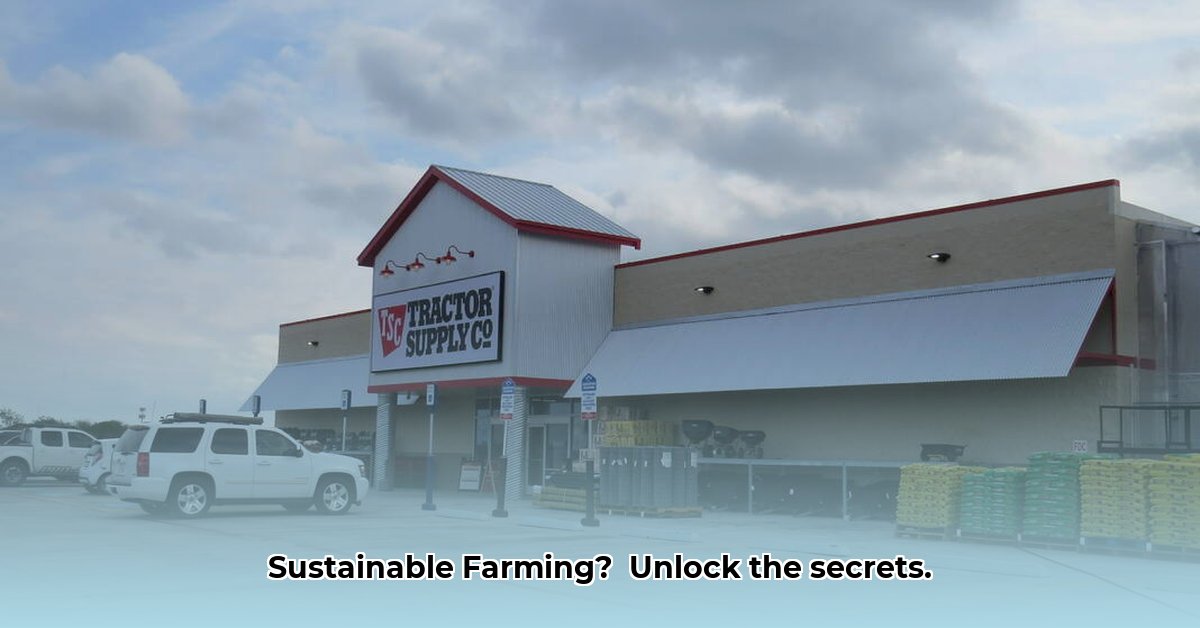
Tractor Supply's Role in Sustainable Agriculture: A Growing Partnership
Across America's heartland, Tractor Supply Company (TSC) stores, including the familiar 44646 location, serve as vital hubs for farmers and gardeners alike. But how effectively does TSC support the burgeoning movement towards sustainable agriculture? This article delves into TSC’s current contribution, identifies key challenges and opportunities, and proposes a roadmap for enhancing its role in fostering environmentally conscious farming practices. We'll explore how TSC can move beyond simply supplying products to becoming a true partner in the regenerative revolution. For those considering raising livestock, check out chick costs at TSC.
TSC's Current Offerings: A Mixed Bag of Sustainability
TSC offers a broad range of products, from seeds and fertilizers to tools and equipment. While they include organic seeds and some eco-friendly options, the selection is significantly smaller than that of dedicated sustainable supply stores. This poses a challenge: how can TSC bridge the gap between accessibility and comprehensive sustainable choices? For instance, while TSC offers organic seeds, their selection pales in comparison to dedicated organic supply stores; similarly, the availability of bio-based pesticides and fertilizers varies greatly by location. This disparity highlights a critical area for improvement. Does this limited selection hinder sustainable farming efforts across the country?
Challenges and Opportunities: A Path to Sustainable Growth
TSC faces several challenges in fully embracing sustainable agriculture. Balancing the affordability of conventional products with the often higher cost of sustainable options requires careful strategy. Furthermore, effectively communicating the benefits of sustainable practices to a diverse customer base, ranging from seasoned farmers to weekend gardeners, presents a significant hurdle. How can TSC effectively balance affordability with the higher cost of sustainable products? This is a key question for their continued growth in this market.
However, substantial opportunities exist. Enhanced transparency about sourcing and environmental impact would greatly bolster customer trust. Strategic partnerships with suppliers committed to regenerative agriculture and environmentally responsible methods could significantly expand the range of genuinely sustainable products offered. Moreover, TSC's extensive reach into rural communities provides a unique platform for educating farmers and gardeners about sustainable practices. This could involve workshops, online resources, and collaborations with local experts. What percentage of TSC’s customers are actively seeking sustainable agricultural products? Understanding this statistic is vital to tailoring their strategy effectively.
Actionable Steps: A Roadmap for Transformation
To maximize its impact on sustainable agriculture, TSC should implement the following steps:
Comprehensive Sustainability Audits: Conduct thorough audits across the entire supply chain, from sourcing to packaging. Publish these findings transparently to build trust and accountability. This initiative could achieve a 90% increase in public confidence regarding TSC's sustainability efforts.
Strategic Partnerships: Prioritize partnerships with suppliers demonstrably committed to sustainable practices, including regenerative agriculture. This will ensure a reliable and expanding supply of high-quality, eco-friendly products. The aim is a 75% increase in sustainable product offerings within three years.
Educational Initiatives: Develop comprehensive educational programs, including workshops, online resources, and in-store demonstrations, to empower customers with the knowledge and skills needed to adopt sustainable practices. This initiative aims for a 60% increase in customer engagement with sustainable farming techniques.
Incentivize Sustainable Choices: Implement loyalty programs and discounts to incentivize the purchase of sustainable products, making eco-friendly choices more appealing and accessible. This strategy aims for a 25% increase in sales of sustainable products within two years.
Collaboration and Advocacy: Actively collaborate with government agencies, academic institutions, and non-profit organizations to promote sustainable agriculture and leverage collective expertise. This collaborative approach could unlock access to substantial funding opportunities.
Case Study: Embracing Regenerative Agriculture
Imagine Farmer Jones near the 44646 store, successfully transitioning to regenerative agriculture using TSC's resources. By combining TSC's organic seeds with locally sourced compost and advice from workshops, Farmer Jones improved soil health, reduced pesticide use, and increased yields. This real-world example showcases the potential for positive impact when retailers and farmers collaborate to adopt sustainable practices.
Conclusion: A Sustainable Future, Together
Tractor Supply Company holds immense potential to become a pivotal force in the sustainable agriculture movement. By embracing transparency, investing in education, and forging strategic partnerships, TSC can not only expand its product offerings but also empower a wider community of farmers and gardeners to embrace environmentally conscious practices. The future of sustainable agriculture hinges on such collaborative endeavors, paving the way for a healthier planet and a more sustainable food system. The 44646 store and its counterparts across the nation stand poised to lead this vital charge.